

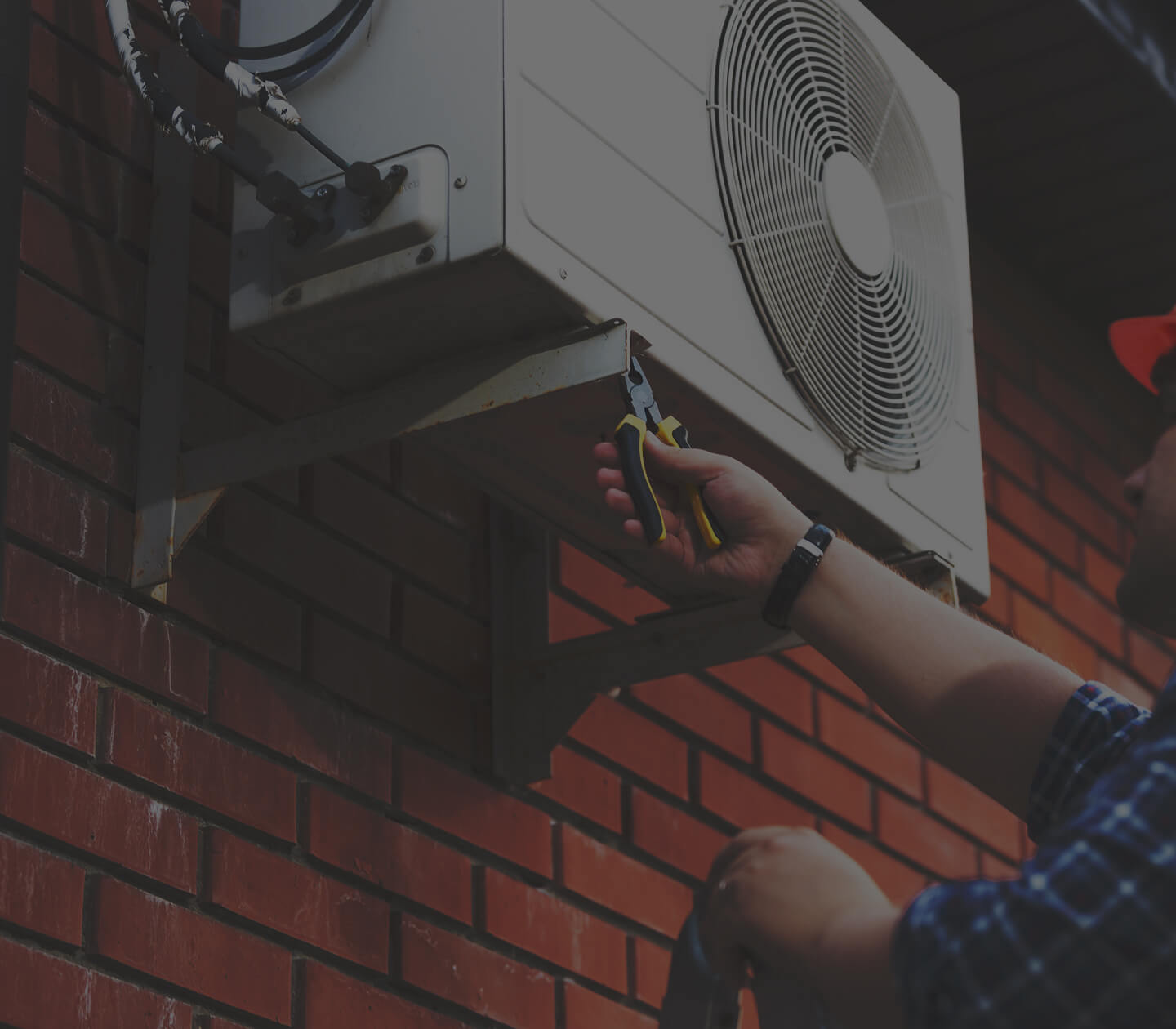
Most of the country doesn’t think about air conditioning until the calendar flips to summer. In Louisiana, that’s a luxury you don’t have. By the time the azaleas bloom and the crawfish boils kick off, your AC is already working overtime against climbing humidity and temperatures that can hit the upper 80s before Memorial Day. If you wait until the first brutal July afternoon to think about spring AC maintenance, you may be waiting in a very long line for a technician — while your home turns into a sauna.
The good news: a little attention in late February or early March puts your system in peak condition before the Gulf Coast heat arrives in force. This checklist is built specifically for Louisiana homeowners, covering everything from backyard condenser cleanup to condensate drain inspections — the tasks that matter most in our climate.
Why Spring Is the Critical Window for HVAC Care
Beating the Humidity Before It Starts
Louisiana’s summers aren’t just hot — they’re relentlessly humid. When your AC runs, it does two jobs simultaneously: it lowers your indoor temperature and it removes moisture from the air (what HVAC professionals call managing “latent heat”). A system running with dirty evaporator coils, a sluggish blower motor, or a low refrigerant charge can still cool your home to 74°F on a mild day — but when July humidity hits 90%, that same neglected system will struggle to keep pace, run longer cycles, and drive up your Entergy bill in the process.
Spring maintenance resets your system to handle both jobs efficiently. Clean coils transfer heat more effectively. Proper refrigerant levels let the system reach target temperatures faster. The result is a home that feels genuinely comfortable, not just technically cool.
The Cost of Procrastination
The numbers are straightforward: according to the U.S. Department of Energy, a well-maintained AC system can operate up to 15% more efficiently than a neglected one. On a Louisiana summer power bill, that difference is real money. Beyond efficiency, ignored maintenance leads to compressor strain, capacitor failures, and refrigerant leaks — repairs that cost several times more than a seasonal tune-up.
Spring is also when HVAC companies’ schedules are most manageable. Once the first heat wave hits, emergency calls flood in and booking a non-urgent AC maintenance appointment can mean a wait of days or longer. Getting ahead of the season means faster service and lower stress.
Your Spring HVAC Checklist: Louisiana Edition
Outdoor Unit (Condenser) Cleanup
Louisiana winters are mild, but they’re not tidy. Leaves, storm debris, windblown dirt, and yes — bayou mud — collect around your outdoor condenser unit over the cooler months. Before the cooling season begins, walk around the unit and remove any debris piled against the cabinet. Clear vegetation that has crept within two feet of the unit; your condenser needs open airflow on all sides to reject heat properly.
Use a garden hose to gently rinse the exterior fins from the top down, flushing out dust and pollen. Avoid pressure washers — the aluminum fins bend easily and restricted airflow will hurt efficiency more than the dirt did. If you notice bent fins, a fin comb (available at hardware stores) can straighten them, or your technician can handle this during a tune-up visit.
The “Deep Breath” Filter Change
Spring in Louisiana is beautiful — and suffocating for your air filter. Oaks, sweet gums, and longleaf pines release massive pollen loads from March through May, and that pollen ends up in your return air stream. A standard fiberglass filter rated MERV 1–4 will clog faster than you’d expect. For Louisiana homeowners, upgrading to a MERV 8–11 pleated filter offers meaningfully better filtration without starving your blower motor of airflow the way a MERV 13+ filter can on older systems.
During peak pollen months and throughout the summer cooling season, check your filter every 30 days rather than every 90. A clogged filter forces your blower to work harder, reduces airflow across the evaporator coil, and can cause the coil to freeze — turning a $15 filter change into a service call.
Inspecting the Condensate Drain Line
If there’s one maintenance task that separates Louisiana homes from everywhere else, it’s the condensate drain. Your AC pulls gallons of moisture out of your air every day. That water drains through a PVC line to the outside of your home — and in our warm, humid climate, algae and mold grow in that line year-round.
A clogged condensate drain backs water up into the drain pan, and when the pan overflows, you get water damage to ceilings, walls, and flooring. Many modern systems have a float switch that shuts down the unit when the pan fills — so the first sign of a clog is often a system that mysteriously stops cooling.
To prevent this, flush the drain line with a cup of distilled white vinegar every month during the cooling season. Before summer begins, use a wet/dry vac to suction out the exterior drain opening. If your line has backed up before, ask your technician about installing an Aspen or IQ Drain float switch if you don’t already have one.
How to Prepare Your AC for a Louisiana Summer
Programming Your Thermostat for Savings
A programmable or smart thermostat is one of the most cost-effective upgrades a Louisiana homeowner can make before summer. The principle is simple: let the temperature rise a few degrees during the hours your home is empty, and return to a comfortable setting before you arrive. Raising your setpoint to 78–80°F during work hours can meaningfully reduce daily runtime without sacrificing comfort when you’re actually home.
If you’re still running a manual thermostat, spring is the right time to upgrade. Smart thermostats from Ecobee or Honeywell learn your schedule and adapt automatically, and many qualify for rebates through Entergy Louisiana’s energy efficiency programs. A quick read on the best AC temperature for energy savings can help you find your sweet spot before the bills climb.
Checking Vents and Ductwork for Air Leaks
Leaky ductwork is one of the most underdiagnosed efficiency problems in Louisiana homes, particularly in older construction with ductwork running through hot, unconditioned attics. Even a 15–20% duct leakage rate — which is common — means your system is conditioning air that never reaches your living space, raising both runtime and energy costs.
Do a quick walkthrough with your system running: hold your hand near duct joints, registers, and return grilles. Unusual drafts, warm spots near supply ducts, or rooms that never seem to cool properly are signs of air leaks. Sealing accessible joints with mastic sealant or metal-backed tape (not standard duct tape, which fails quickly in attic heat) is a DIY-friendly fix. For a full duct evaluation, our air balancing service can identify exactly where your system is losing conditioned air.
Professional vs. DIY: When to Call the Pros
There’s a meaningful line between what a diligent homeowner can handle and what requires a licensed technician. Staying on the right side of that line protects both your system and your warranty.
What homeowners can do safely:
- Change or inspect air filters every 30 days
- Rinse the exterior condenser fins with a garden hose
- Clear debris and vegetation from around the outdoor unit
- Flush the condensate drain line with vinegar
- Check and replace thermostat batteries
- Ensure all supply and return vents are open and unobstructed
What requires a licensed HVAC technician:
- Checking and adjusting refrigerant (Freon/Puron R-410A) levels — handling refrigerant requires EPA 608 certification
- Cleaning evaporator coils inside the air handler — these are delicate and require proper technique and chemicals
- Testing and replacing capacitors or contactors in the electrical compartment
- Inspecting and testing the blower motor, belts, and bearings
- Measuring electrical draw and checking for wiring degradation
- Full system performance verification against manufacturer SEER2 specs
A professional spring tune-up from Lee’s AC covers all of the above in a single visit. Our NATE-certified technicians follow a thorough inspection checklist and are familiar with the high-efficiency Trane and Carrier systems built to handle the sustained demands of Gulf Coast summers. If we spot a small issue — a capacitor showing signs of wear, a slightly low refrigerant charge — we address it before it becomes a breakdown at 5 PM on a Friday in July.
Frequently Asked Questions
When should I start my spring AC maintenance in Louisiana? The ideal window is late February through early April. This gives you time to address any issues discovered during a tune-up before the first significant heat arrives in May, and before HVAC companies’ schedules fill up with emergency calls. If you’re on a maintenance plan, your provider will typically reach out to schedule your spring visit automatically.
How often should I change my AC filter in Louisiana? During spring pollen season and throughout the summer cooling months, check your filter every 30 days. In high-use periods, many Louisiana homeowners find monthly replacement is necessary — especially with pets or anyone in the household with allergies. During the milder fall and winter, you may be able to extend to 60–90 days.
Will a spring tune-up actually lower my electric bill? Yes. Dirty evaporator coils, improper refrigerant levels, and a struggling blower motor all cause your system to run longer cycles to reach your setpoint. Restoring your system to manufacturer specs — which is what a professional tune-up does — allows it to cool more efficiently, which directly reduces runtime and energy consumption. Homeowners who maintain their systems consistently report measurable savings on their Entergy bills compared to years they skipped service.
What is a condensate drain, and why does it matter in Louisiana? Your AC removes moisture from indoor air as part of the cooling process. That moisture collects in a drain pan and flows out through a PVC condensate drain line. In Louisiana’s warm, humid climate, algae grows in that line aggressively. When it clogs, water backs up, overflows the pan, and can cause water damage to your home. Monthly vinegar flushes and an annual professional cleaning keep the line clear throughout the cooling season.
What’s the difference between SEER and SEER2? SEER (Seasonal Energy Efficiency Ratio) was the longstanding standard for measuring AC efficiency. SEER2, implemented in 2023, uses a more realistic testing protocol that better reflects real-world performance — particularly in hot climates like Louisiana’s. If you’re comparing new systems, always compare SEER2 ratings. A higher number means greater efficiency and lower operating costs.
Ready to Get Summer-Ready?
Don’t wait for the heat to remind you. A spring AC maintenance visit from Lee’s AC takes the guesswork out of summer readiness and gives you one less thing to worry about when temperatures climb. Book your spring tune-up now — our team serves Lafayette and surrounding communities throughout Acadiana, and our schedules fill fast once the season turns.