

A Comprehensive Guide to Comfort, Savings, and Smart Climate Control
Heating and cooling account for the largest portion of energy use in most homes and businesses. While HVAC equipment has advanced significantly, many customers still rely on outdated manual thermostats. This guide explains why upgrading to a digital or smart thermostat is one of the most cost-effective and impactful improvements available today.
Understanding Thermostat Technology
Traditional thermostats rely on mechanical components that react slowly and inaccurately. Digital thermostats use electronic sensors and microprocessors to deliver precise, repeatable control. Smart thermostats take this a step further by incorporating learning algorithms, occupancy sensing, and internet connectivity.
Comfort and Temperature Stability
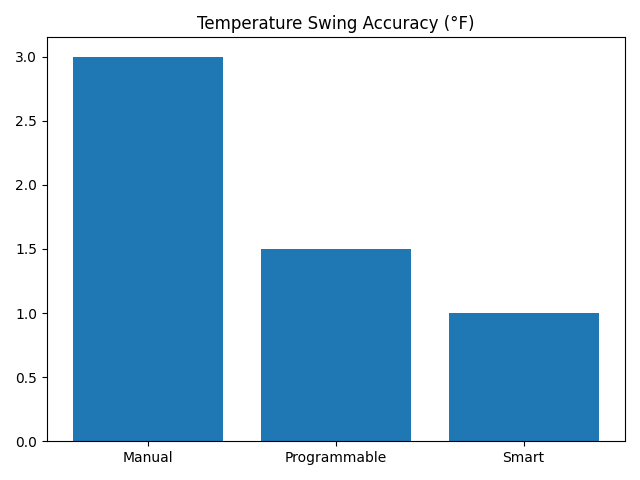
Temperature swings are a common complaint with older thermostats. Digital thermostats maintain tighter temperature ranges, reducing hot and cold spots and improving sleep quality and productivity.
Energy Efficiency and Cost Savings
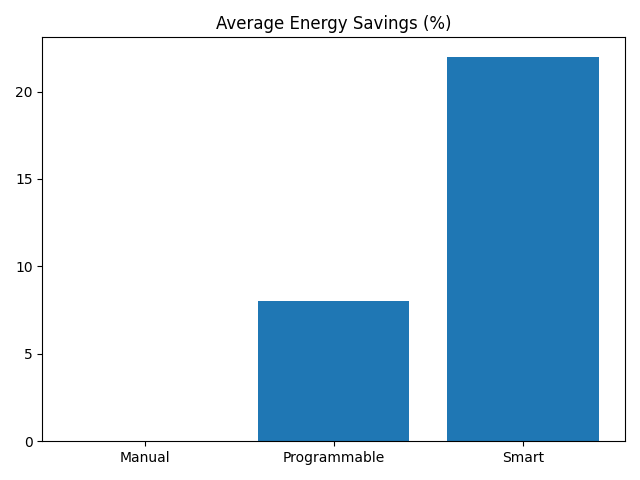
Energy efficiency is the primary financial driver behind digital thermostat adoption. Smart thermostats reduce wasted heating and cooling by automatically adjusting settings based on schedules, occupancy, and weather conditions.
Utility Bill Reduction Explained
Many customers overheat or overcool their spaces simply because they forget to adjust the thermostat. Digital thermostats eliminate this problem by automating setbacks and recovery periods, leading to consistent monthly savings.
Environmental Impact and Sustainability
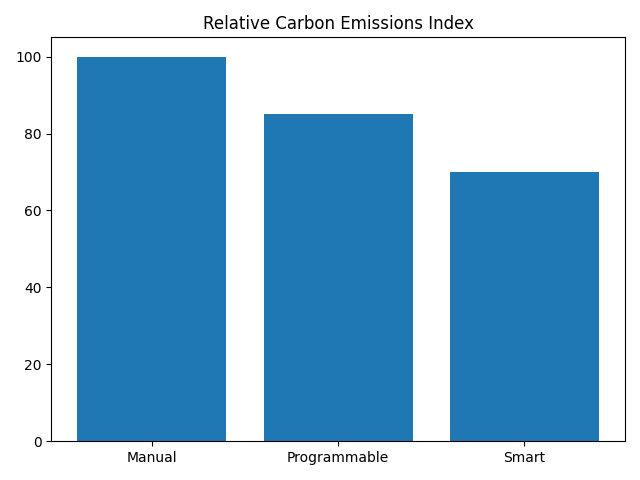
Reducing HVAC runtime directly lowers greenhouse gas emissions. Digital thermostats support sustainability goals without sacrificing comfort.
Smart Features and Modern Lifestyles
Smart thermostats integrate with smartphones, voice assistants, and home automation systems. Customers can monitor usage, receive alerts, and adjust settings remotely, providing peace of mind.
Commercial and Multi-Family Applications
In commercial buildings, digital thermostats reduce energy waste during unoccupied hours and simplify facility management. Multi-zone control improves tenant comfort and reduces complaints.
Return on Investment (ROI)
Although digital thermostats cost more upfront, most customers recover their investment within one to three years through reduced energy bills and fewer HVAC service calls.
Common Myths and Misconceptions
Some customers believe smart thermostats are complicated or unreliable. In reality, modern designs prioritize simplicity and long-term reliability.
Best Practices for Maximum Benefit
Proper installation, Wi-Fi connectivity, and initial setup are key to maximizing savings. Customers should review usage reports and allow learning features to operate continuously.
Looking to Install a Digital Thermostat? Lee’s AC in Lafayette Can Help!
Digital thermostats represent a practical, affordable upgrade that delivers comfort, savings, and environmental responsibility. For most customers, the benefits far outweigh the initial cost.
Ready to start saving and controlling your climate with precision? Contact Lee’s AC today for a complimentary indoor climate consultation and a free installation estimate.